 The Wright brothers, Orville and Wilbur, are celebrated for their pioneering work in aviation, culminating in the first powered flight on December 17, 1903. While their technical achievements are widely recognized, their leadership skills were equally crucial to their success. This essay explores the key leadership qualities that characterized the Wright brothers, examining how these attributes enabled them to overcome challenges and advance the field of aviation.


 Plato, the ancient Greek philosopher, has had an enduring impact on Western thought and offers invaluable insights into leadership. Though he wrote over two millennia ago, his ideas remain relevant, providing leaders today with lessons on ethics, governance, and personal growth. Here, we explore several core concepts drawn from Plato's works that continue to resonate with modern leadership.
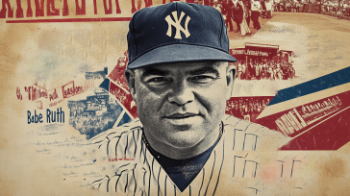
 Babe Ruth, one of the most iconic figures in baseball history, offers a wealth of lessons in leadership that extend far beyond the diamond. Known not only for his extraordinary talent but also for his larger-than-life personality and charisma, Ruth’s legacy provides several key insights for leaders in any field.

 Dr. Billy Graham, often hailed as one of the most influential Christian evangelists of the 20th century, left an indelible mark on the world. His leadership extended beyond religious circles; his methodologies, character, and vision offer profound lessons for leaders across all domains. Analyzing his life and work provides valuable insights into effective leadership.

 Walt Disney, a name that evokes images of magic, imagination, and innovation, was more than just a purveyor of fantasy; he was a true visionary and a remarkable leader. His leadership style and the skills he embodied played a pivotal role in building an empire that continues to enchant people worldwide. Here are some key leadership skills we can learn from Walt Disney: