 Louis Armstrong, often referred to as "Satchmo" or "Pops," remains one of the most influential figures in jazz history and American music. His contributions to the genre were not only musical but also deeply rooted in his leadership abilities.


 Al Capone, one of America’s most notorious gangsters, is often remembered for his involvement in organized crime during the Prohibition era. Despite his criminal activities, Capone exhibited several leadership skills that contributed to his rise and dominance within the underworld. By examining these skills, we can gain a better understanding of how he commanded loyalty, expanded his empire, and maintained power.
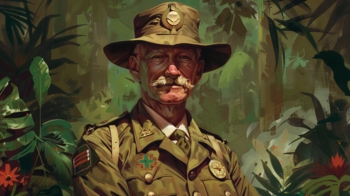
 Robert Baden-Powell, the founder of the Scout Movement, is renowned for his exceptional leadership skills, which have left a lasting impact on millions worldwide. His ability to inspire, organize, and communicate a vision has made him a pivotal figure in youth development. In this essay, we'll explore the key leadership skills that set Baden-Powell apart and contributed to the success of Scouting.

 Alexander Graham Bell is best known for his groundbreaking invention of the telephone, a feat that forever altered the landscape of communication. However, beyond his identity as an inventor, Bell was also a remarkable leader whose skills in this domain contributed significantly to his success. Understanding his leadership skills provides insights not only into his achievements but also into the qualities that define impactful leadership.
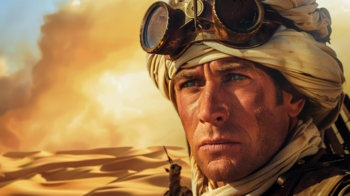
 Thomas Edward Lawrence, famously known as Lawrence of Arabia, is a legendary figure whose leadership skills have been studied and admired for decades. Known for his role in the Arab Revolt during World War I, Lawrence's leadership was marked by a combination of charisma, cultural empathy, strategic acumen, and guerrilla warfare tactics. These skills allowed him to navigate complex political landscapes and lead diverse groups toward a common goal. Here is an exploration of his notable leadership skills.